
Start Here
Welcome to House Cat Living — a practical guide for helping indoor cats live healthier, calmer, and more enriched lives.
If you are new to indoor cat care, start here. This page points you toward the most useful guides on the site, from setting up your home to preventing boredom, improving hydration, choosing litter box locations, and comparing practical indoor-cat products.


New to Indoor Cat Care?
Indoor cats need more than food, water, and a litter box. They need predictable routines, vertical space, scratching options, mental stimulation, clean litter areas, hydration support, and safe places to rest. A good indoor setup helps reduce boredom, stress, destructive scratching, litter box problems, and daily frustration for both you and your cat.

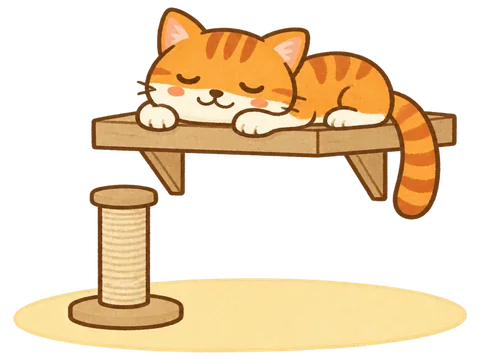
Set Up Your Home
Start with the basics: a clean litter setup, a safe feeding area, reliable water access, stable scratching surfaces, climbing areas, cozy resting spots, and daily play. If you live in an apartment or small home, vertical territory and careful litter box placement matter even more.

Keep Your Cat Healthy
Indoor-cat wellness starts with observation. Watch appetite, litter box habits, grooming, weight, energy, breathing, behavior changes, and signs of pain or stress. House Cat Living can help with everyday care habits, but it is not a substitute for veterinary advice.

Prevent Boredom
Bored indoor cats may scratch furniture, overgroom, sleep excessively, bother other pets, or demand attention constantly. Enrichment does not need to be complicated. Rotate toys, use puzzle feeders, add window-watching opportunities, provide scratching surfaces, and build short play sessions into your routine.

Feeding and Hydration Basics
Good feeding routines make indoor life easier. Think about meal timing, water placement, bowl material, puzzle feeders, food storage, and whether your cat drinks enough. Hydration is especially important for cats, so fountains and wet food may be worth discussing with your veterinarian depending on your cat’s needs.
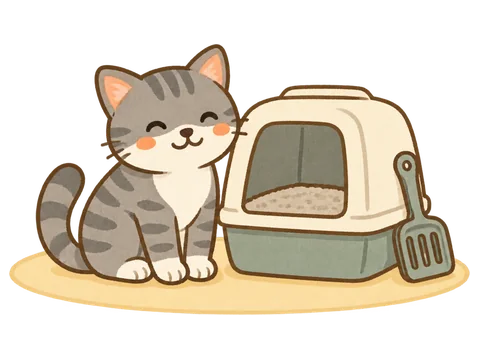
Litter and Home Setup
Litter box problems are often home setup problems. The right number of boxes, quiet placement, regular scooping, appropriate litter depth, and easy access can make a major difference, especially in apartments and multi-cat homes.

Product Guide Links
When you are ready to compare products, focus on practical items that solve real indoor-cat problems: stable cat trees, easy-to-clean fountains, puzzle feeders, scratchers, litter boxes, beds, and small-space furniture.
Recommended Next Step
If you are not sure where to begin, start with your cat’s environment. A better indoor setup can reduce boredom, scratching problems, litter stress, and daily frustration. Then build simple routines around play, feeding, hydration, grooming, and litter box maintenance.